Penny Arcade Expo East took place on the weekend of March 28th-31st in Boston, MA, and tens of thousands of people (including this Philly-based writer) descended upon the convention center, eager to glean info on new games to hit the scene. Some of those convention-goers attended panels to learn how to become game designers themselves, or improve games they’re already making.
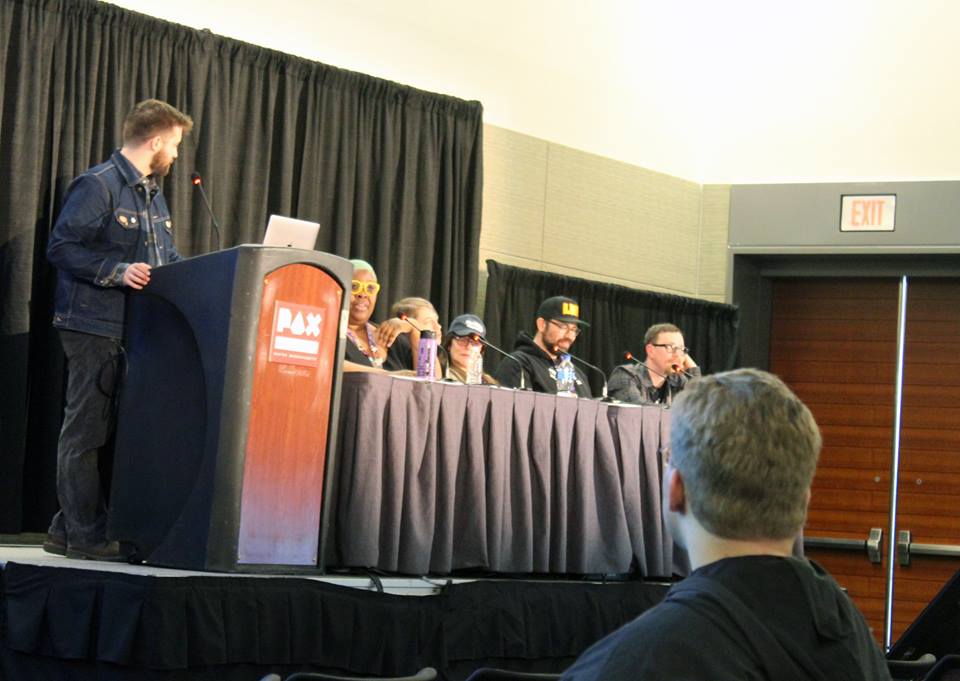
One such panel was “Promote Your Indie Game Like a Damn Professional”, featuring panelists Tom Dyke (Events Director for Cards Against Humanity), Shari Spiro (Owner of Breaking Games), Maya Coleman (Community Manager of Secret Hitler), Jon Ritter (Owner of Lay Waste Games), Luke Crane (Creator of Burning Wheel), and Tanya X. Short (Captain of Kitfox Games). The Thursday afternoon talk was full of people enthusiastic about creating PC and tabletop games alike.
Here are a few tips that the presenters gave for marketing your indie game, from development to post-shipping.
- For better playtest feedback: Ask pointed questions about certain elements of your game, rather than just asking “Did you have fun?” That way you will get more specific suggestions than just a “yes” or “no” answer.
- Have non-friends playtest your game. This means that they won’t be biased toward saying that your game is better than it really is. Also, don’t let them know you’re the designer, because that will most likely cause them to act nicer and not give genuine feedback.
- Sit down and play your game with people first before taking it to social media. This way, you can avoid any big pitfalls by discovering large errors in person instead of having to fix embarrassing issues right after announcing it.
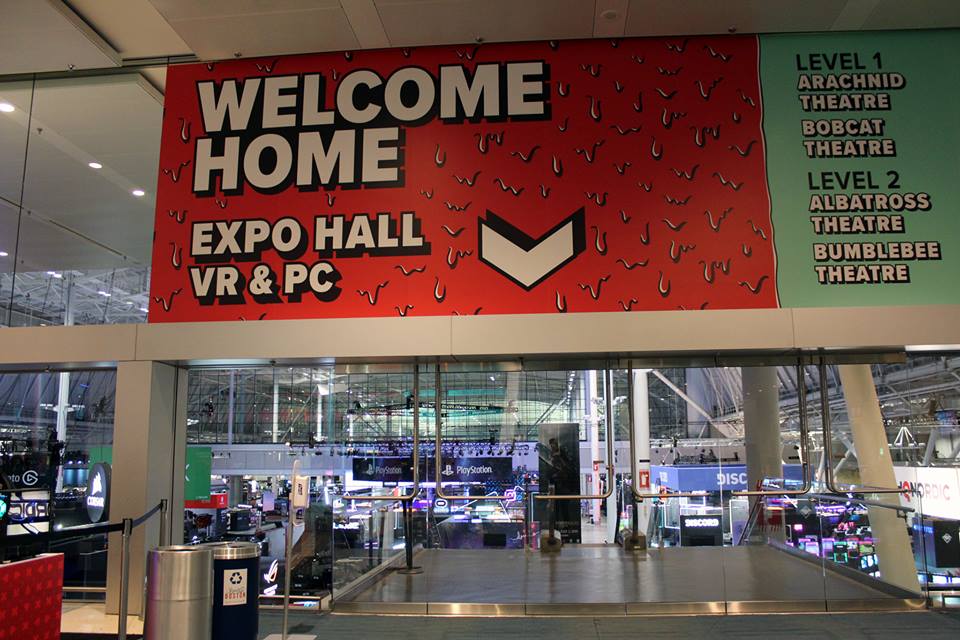
When you know you’re back home.
Tabletop Playtesting:
- Do around 200 playtests from other people before finalizing your game. Hand over the rules and the game, and then step back. Bite your tongue. It will be difficult to watch people making mistakes during your game (maybe from the very beginning), but it is very important to see where they get confused so you can clear those issues up before production.
- You can make cheap prototypes of your game by printing and taping paper over pre-existing cards or other pieces that you own.
- Print + play – You can make printable templates to send online to people who pre-order or back your game on Kickstarter, so they can play at home while they wait for the game to publish.
- Friendly local game store and game night meetups – See where people congregate to play games with each other. You can take your game to these enthusiastic groups and ask them to test out your game and give you feedback afterward.
- If you are getting testers’ feedback digitally – After people test the software, if possible, move them to a different computer to fill out your survey or test. Studies show that players will act nicer on the same computer they played a game on, which skews the results.
- Send your game to a group of 3 people at one time. Any more than that will be too redundant, and you’ll start to get repeated feedback.
- You can reach out to your Kickstarter/other funding campaign backers and ask them to be playtesters. Send them a special alpha version and ask for feedback. It brings the community together, and makes them feel special and more invested in your game.
Community Management:
- There is a lot of value in creating a community. It makes the game “evergreen” – it keeps it going all year round.
- Put yourself out there. Keep yourself accessible in some way. Fans are excited to talk to you! Be ready to shape that community. Even if you are tired of talking about yourself and your story, new people haven’t heard it yet.
- “Creep” around. Find places where people are talking about your game, and see what they have to say. Learn what their issues with your game are, and find out what you’re doing right.
- You. Must. Be. Yourself.
- If someone is angry about your game: “The reason they’re mad is because they care.”
- Put effort in to rectify problems with your game. Even if you don’t fix the problem, the fact that you tried is important.
- Discord is a free, good resource for building community.
- Be available in many places online, and see where the most people gather.
And most of all, have fun!
 The Philly Spectacle